CNG vs Petrol Cars in India: Which One Wins?
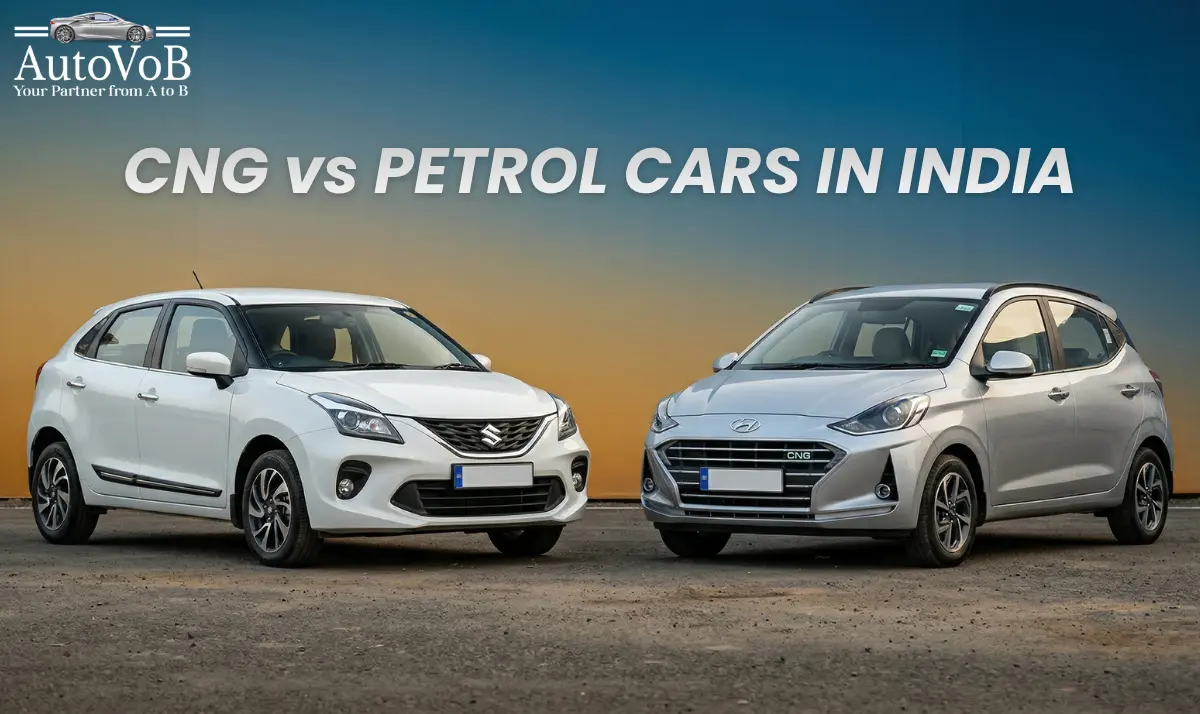
Choosing between CNG and petrol is still one of the most practical decisions for Indian car buyers. The right answer depends less on hype and more on how far you drive, where you drive, and how much you want to spend over time.
The real difference
Petrol cars are simpler, smoother, and easier to live with in most situations. CNG cars are built for lower running cost, and that is exactly why they have become popular in India, especially in budget and family segments.
The market itself shows how strong CNG demand has become. As of early 2026, there are around 40 CNG cars on sale in India, covering hatchbacks, sedans, and SUVs.
Mileage and running cost
This is where CNG clearly pulls ahead. Real-world tests from Autocar India show strong CNG efficiency from popular models like the Maruti Swift CNG at 27.87 km/kg and the Tata Nexon CNG at 18.55 km/kg.
In practical terms, CNG usually costs much less per kilometre than petrol. One 2026 cost breakdown shows a CNG car can run at about ₹3 to ₹3.5 per km, while petrol can be around ₹7.5 per km in a similar use case.
That difference matters if you drive every day. For a long daily commute, CNG can save a noticeable amount every month, and over a few years the savings become hard to ignore.
Purchase price matters
Petrol cars usually cost less upfront than CNG-equipped variants. Factory-fitted CNG generally adds a premium to the car’s price, though the extra cost is often recovered later through lower fuel bills.
That is why CNG makes the most sense for buyers who plan to keep the car for several years and drive regularly. If your usage is low, the cheaper purchase price of petrol may actually be the smarter financial choice.
Driving feel and convenience
Petrol cars still have the edge in refinement. They are usually quieter, livelier to drive, and more natural for highway cruising or mixed use. CNG cars can feel a little less eager, especially under load or during overtakes.
CNG also asks for more planning. You need a nearby filling station, and that matters more in cities where station density is uneven. Petrol wins on convenience because it is easier to refuel almost anywhere.
For people who drive mostly in city traffic, CNG’s trade-off is acceptable. For people who travel often, carry full loads, or want a more effortless driving experience, petrol still feels easier.
Maintenance and ownership
Factory-fitted CNG cars are safer and easier to live with than poorly installed aftermarket kits. In India, CNG conversions are regulated under CMVR and AIS-024, and proper approval, certification, and RTO endorsement are important.
Maintenance for CNG cars is usually manageable, but they need more attention than petrol cars in some cases. Valve wear, kit checks, and regular servicing matter more because the fuel system adds complexity.
Petrol cars are simpler mechanically, so ownership can feel more straightforward. For many first-time buyers, that simplicity is a real advantage.
Safety and legality
A factory-fitted CNG car is the safest route if you want to avoid headaches. Properly certified CNG systems must follow safety standards, and unauthorized installations can lead to fines, insurance issues, and even RC problems.
That does not mean CNG is unsafe by default. It means the quality of installation and compliance matters a lot more than with petrol. If you buy a CNG car, stick to approved systems and regular inspections.
Which buyer should choose what?
CNG suits you if you drive a lot, mostly in the city, and want to keep fuel bills low. It is especially attractive for office commuters, cab users, and family buyers who prioritize running cost over performance.
Petrol suits you if you drive less, want smoother performance, or value convenience more than savings. It is also the better fit if your routes are unpredictable or if CNG stations are not easy to access near your home or workplace.
For buyers comparing new cars or used cars, the same logic applies: daily distance and fuel access matter more than badge value or feature lists.
Also Read: Petrol vs Diesel Engine: Key Differences Explained Clearly
Final take
If your running is high, CNG usually makes stronger financial sense. If your usage is low or you want a simpler, more flexible car, petrol remains the better all-round choice.
The smartest decision is not about which fuel is better in theory. It is about which one fits your life without forcing compromises you will regret later.
FAQs
-
Is CNG cheaper than petrol in India?
Yes. CNG usually has a much lower running cost per kilometre than petrol, which is the main reason buyers choose it.
-
Is a CNG car good for highway driving?
Yes, but petrol is still more relaxed for long highway trips. CNG works well, but performance and convenience are usually better in petrol cars.
-
Which car type has lower maintenance?
Petrol cars generally have simpler maintenance. CNG cars can be economical, but they need proper kit care and periodic checks.
-
Are CNG cars safe?
Factory-fitted CNG cars are safe when they follow approved standards and are maintained properly. Illegal or poorly installed kits are where the real risk starts.
-
Should I buy CNG if I drive only 500 to 800 km a month?
Probably not unless fuel savings matter a lot to you. For low monthly usage, a petrol car may be easier to justify because the upfront premium of CNG takes longer to recover.
For more such informative blogs, keep following AutoVoB blogs